

 See My Latest Article on HelloNation
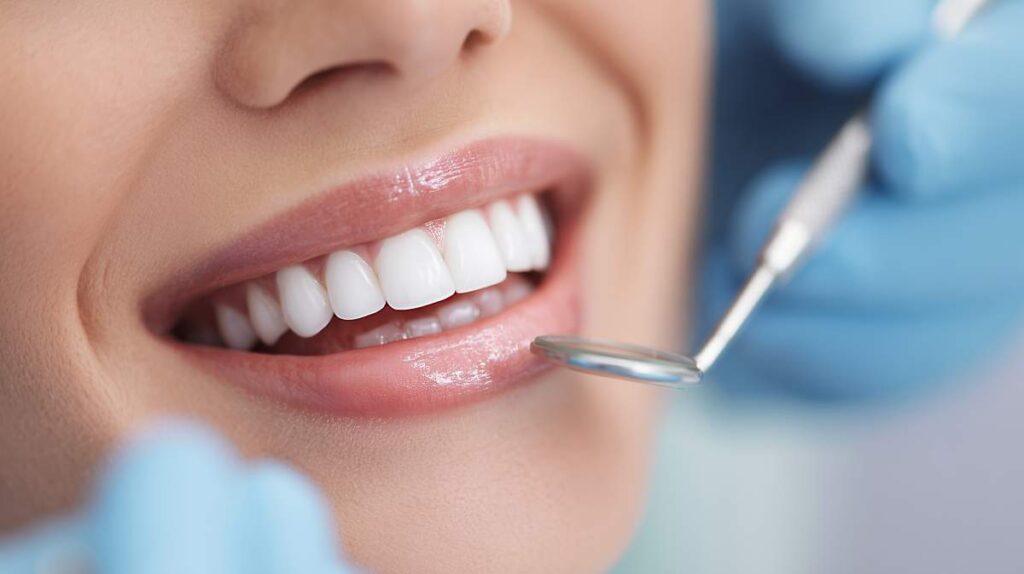
Dental sealants are thin protective coatings placed in the grooves of back teeth to help prevent cavities. For children in Rexburg, ID, they can be especially useful during the years when permanent molars first appear and brushing those deep grooves may still be inconsistent.
Sealants do not replace brushing, fluoride, flossing, or regular dental checkups. They are one preventive measure that adds protection in areas where food and cavity-causing bacteria can collect.
What are dental sealants?
Dental sealants are material applied to the chewing surfaces of molars and, in some cases, premolars. These teeth often have small pits and fissures that are difficult for toothbrush bristles to clean completely.
The sealant flows into those grooves and hardens, forming a barrier between the tooth surface and bacteria or food particles. A sealed tooth still needs to be brushed, but the smooth surface is generally easier to keep clean.
Sealants are usually tooth-colored, clear, or slightly tinted. Their appearance is not a sign of a problem, and they are placed only on selected areas rather than covering the entire tooth.
Which children may benefit?
Many children benefit from sealants on permanent molars, particularly if the teeth have deep grooves or the child has a history of cavities. Sealants may also be appropriate for some primary, or baby, molars.
The first permanent molars commonly appear around age 6. The second permanent molars often emerge around age 12. These age ranges are approximate, and the timing varies from child to child.
A child may be more likely to benefit if they:
- Have deep or narrow grooves in the molars
- Have had cavities in the past
- Frequently snack or sip sweetened drinks
- Are still developing reliable brushing skills
- Have difficulty cleaning newly erupted back teeth
- Have limited access to consistent preventive dental care
Sealants are not automatically needed on every tooth. The decision depends on the tooth’s shape, whether it is fully erupted, the child’s cavity risk, and whether early decay is already present.
How are sealants applied?
Applying a sealant is generally quick and does not require drilling when the tooth is healthy or has only a very early, noncavitated lesion.
The usual process includes:
1. Cleaning the tooth to remove plaque and debris.
2. Keeping the tooth dry so the material can bond properly.
3. Preparing the enamel with a conditioning solution.
4. Rinsing and drying the tooth again.
5. Painting the sealant into the grooves.
6. Hardening the material with a curing light or allowing it to set chemically.
Children may notice a brief sour taste from the conditioning material, but the procedure usually does not involve an injection. Once the sealant has hardened, normal eating and drinking can generally continue.
Keeping the tooth dry is one of the most important parts of the process. If saliva contaminates the surface before the sealant sets, the material may not bond as well. For that reason, a tooth that has not fully emerged may be sealed later when it can be isolated more effectively.
Do sealants prevent all cavities?
No. Sealants protect mainly the grooved chewing surfaces where they are placed. They do not cover the sides of teeth, the spaces between teeth, or areas near the gumline.
Cavities can still develop if a child:
- Does not brush with fluoride toothpaste
- Drinks or snacks frequently throughout the day
- Has decay between the teeth
- Has a sealant that has worn away or chipped
- Has enamel problems or other factors that increase cavity risk
Research supports sealants as an effective way to reduce decay on the chewing surfaces of children’s molars. Their benefit is greatest when they are placed before cavities develop, although certain early lesions may also be managed with a sealant under appropriate clinical supervision.
How long do sealants last?
Sealants can remain protective for several years, but they are not permanent. Chewing pressure, sticky foods, tooth grinding, and normal wear can cause portions of a sealant to thin or come off.
During routine checkups, the sealed teeth should be examined for:
- Complete coverage
- Small chips or worn areas
- New decay around the edges
- Changes in the tooth underneath
- The need for repair or replacement

A sealant that is partly missing does not always mean the entire tooth needs to be resealed immediately. The appropriate response depends on the condition of the tooth and the amount of protection that remains.
Are dental sealants safe?
Dental sealants are widely used for children and are considered a routine preventive treatment. Some materials can release small amounts of fluoride, while others primarily create a physical barrier.
Parents may hear questions about ingredients in certain resin-based materials. Material selection is a clinical decision that can take into account the child’s age, tooth condition, moisture control, cavity risk, and the available options. Families who have concerns can ask what type of material is being considered and why it is appropriate for the child.
The possible risks of sealants are generally related to retention, moisture contamination during placement, or a rare reaction to a material rather than the procedure itself. A child’s complete dental history should be considered before treatment.
Are sealants better than fluoride?
Sealants and fluoride serve different purposes, so one does not simply replace the other.
Fluoride helps strengthen enamel and can protect many tooth surfaces. It is commonly obtained through fluoride toothpaste, professionally applied fluoride treatments, and drinking water when the local supply contains an appropriate fluoride level.
Sealants provide targeted protection in deep grooves. A child may need both measures, along with brushing and cleaning between the teeth. For families in Rexburg, checking the fluoride content of the household’s usual drinking water can be useful, especially if water comes from a private well or another source with a different mineral profile. A dental or medical professional can help determine whether additional fluoride is appropriate.
What should parents watch for at home?
Sealants do not require special daily care. Children should continue brushing twice a day with fluoride toothpaste and cleaning between teeth as directed for their age and development.
Parents can also watch for:
- A rough or sharp spot on a back tooth
- A visible piece of sealant that has come out
- New sensitivity to cold or sweets
- Pain when chewing
- Food repeatedly catching in one groove
- Darkening or discoloration around a sealant
A lost sealant is not usually an emergency, but it should be mentioned at the child’s next dental visit. Pain, swelling, or persistent sensitivity deserves more prompt attention because those symptoms may indicate decay or another dental problem.
Common misconceptions about sealants
“Sealants are only for children with poor brushing habits.”
Not necessarily. Even children who brush well may have molar grooves that are difficult to clean.
“A sealed tooth can never get a cavity.”
A sealant lowers risk on the covered surface but does not protect every part of the tooth.
“Baby teeth do not need sealants.”
Some primary molars have deep grooves and remain in the mouth for years. In selected cases, protecting them can help maintain chewing ability and space while permanent teeth develop.
“Sealants are fillings.”
A sealant is primarily preventive. A filling is used to restore a tooth after a cavity has created a defect that needs repair.
Families balancing school schedules, winter weather, activities, and transportation may find it helpful to discuss sealants during an already planned dental visit rather than waiting for discomfort to appear. The most useful question is not whether every child needs every molar sealed, but whether a particular tooth has enough risk or groove depth to benefit from added protection.